In today's digital-first world, you've probably heard the term "digital marketer" everywhere. But who exactly is a digital marketer, and what do they actually do? Whether you're considering this as a career, looking to hire one for your business, or simply curious about this increasingly important role, this comprehensive guide will answer all your questions.
If you're new to the field, you might want to start with understanding what digital marketing is before diving into the specific role of a digital marketer.
What is a Digital Marketer?
A digital marketer is a professional who uses digital channels, platforms, and technologies to promote products, services, or brands to drive business growth.
Think of them as modern-day marketers who leverage the internet instead of traditional media. While a traditional marketer might place an ad in a newspaper or on TV, a digital marketer runs campaigns on Google, creates content for Instagram, optimizes websites for search engines, or sends targeted email campaigns.
Core Function
At its core, a digital marketer's job is to:
- Attract: Bring potential customers to the business through various online channels
- Engage: Create meaningful interactions with the audience
- Convert: Turn interested prospects into paying customers
- Retain: Keep customers coming back through ongoing engagement
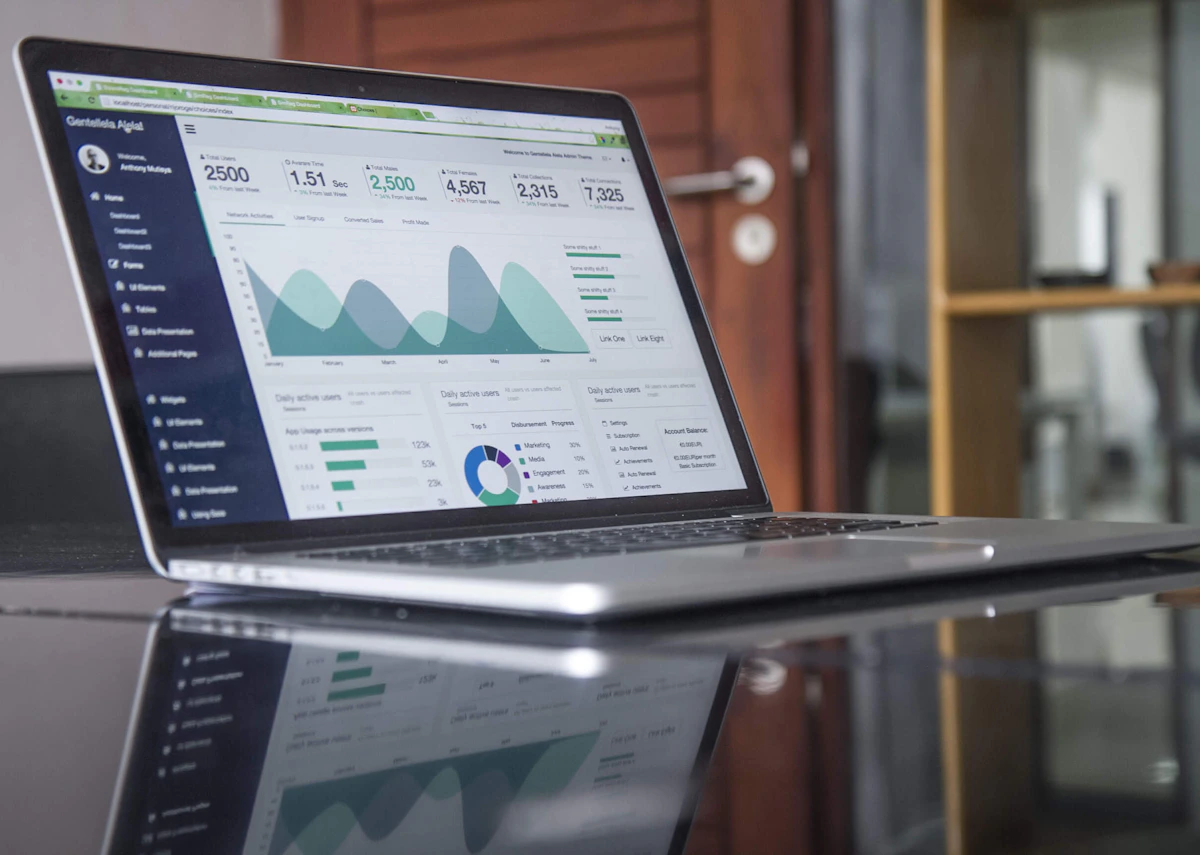
- Analyze: Measure results and continuously improve campaigns
What Makes Digital Marketers Different?
Unlike traditional marketing roles, digital marketers:
- Work with data: Everything is tracked, measured, and analyzed in real-time
- Use technology extensively: Rely on tools and platforms for automation and optimization
- Move fast: Can launch, test, and adjust campaigns within hours
- Target precisely: Reach specific audiences based on demographics, behavior, and interests
- Prove ROI: Show exactly what each rupee spent generates in return
Key Distinction: A digital marketer isn't just someone who "posts on social media." They're strategic professionals who combine creativity, analytics, technology, and business acumen to drive measurable business results. Many people wonder if digital marketing is an IT job—while it uses technology extensively, it's fundamentally a marketing role.
Key Roles & Responsibilities of a Digital Marketer
Digital marketers wear many hats. Here's what they typically do on a day-to-day basis:
1. Strategy Development
- Analyze business goals and translate them into digital marketing objectives
- Research target audience behavior and preferences
- Identify the right digital channels for the business
- Create comprehensive marketing plans and campaigns
- Set KPIs (Key Performance Indicators) and success metrics
2. Campaign Execution
- SEO (Search Engine Optimization): Improve website rankings on Google
- PPC (Pay-Per-Click): Manage Google Ads and paid advertising campaigns
- Social Media Marketing: Create and manage content across Facebook, Instagram, LinkedIn, etc.
- Content Marketing: Produce blogs, videos, infographics, and other valuable content
- Email Marketing: Design and send targeted email campaigns
- Influencer Marketing: Collaborate with influencers for brand promotion
3. Content Creation
- Write compelling ad copy and marketing messages
- Create visual content (graphics, videos, infographics)
- Develop blog posts and website content
- Design email templates and social media posts
- Produce landing pages optimized for conversions

4. Analytics & Reporting
- Monitor campaign performance using Google Analytics and other tools
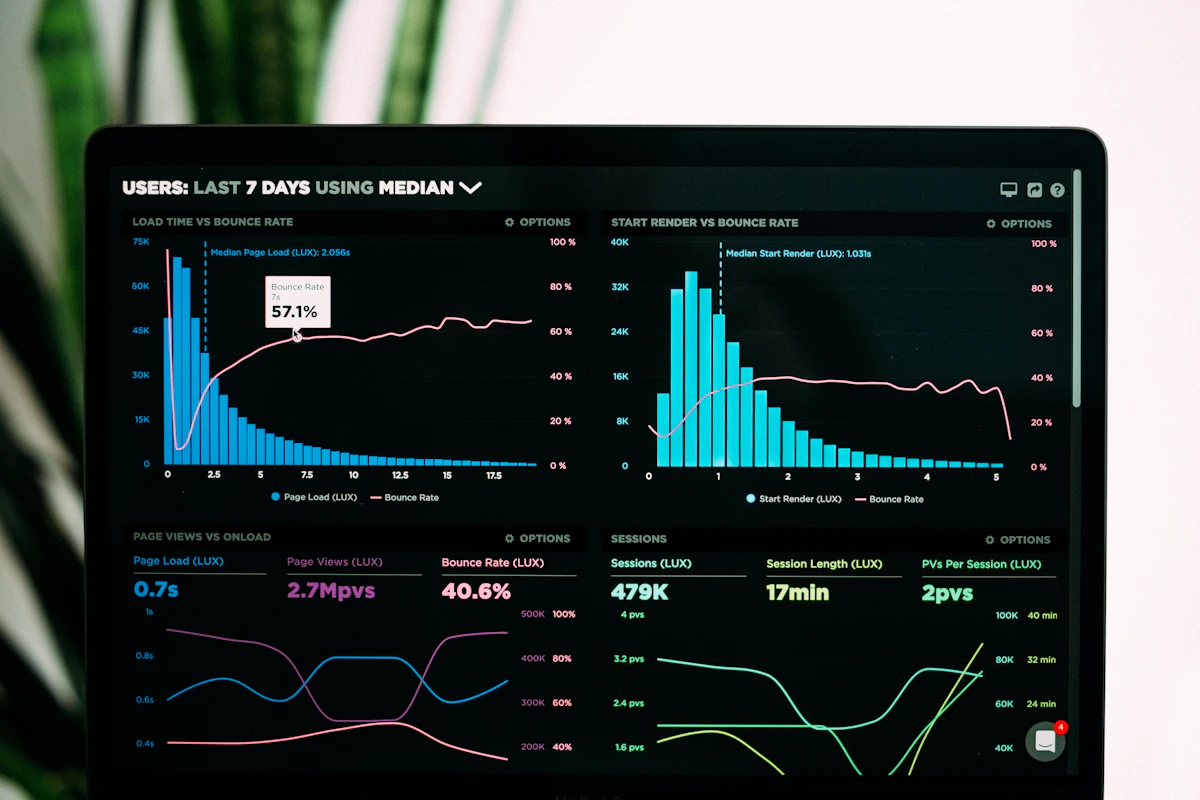
- Track KPIs like website traffic, conversion rates, and ROI
- Generate reports for stakeholders and management
- Identify trends and insights from data
- Make data-driven decisions for optimization
5. Optimization & Testing
- Conduct A/B tests on ads, landing pages, and emails
- Optimize campaigns based on performance data
- Improve conversion rates through CRO (Conversion Rate Optimization)
- Adjust targeting and messaging based on results
- Stay updated with algorithm changes and platform updates
6. Budget Management
- Allocate marketing budgets across different channels
- Monitor spending and ensure cost-efficiency
- Calculate ROI and ROAS (Return on Ad Spend)
- Adjust budget distribution based on performance
- Justify marketing investments to leadership
How Digital Marketers Spend Their Time
Types of Digital Marketers (Specializations)
Digital marketing is a broad field with various specializations. Here are the main types:
1. SEO Specialist
Focus: Improving website rankings on search engines like Google
Key Skills: Keyword research, on-page optimization, link building, technical SEO, content optimization
Typical Salary: ₹3.5 - 12 lakhs/year
2. PPC/Google Ads Specialist
Focus: Managing paid advertising campaigns (Google Ads, Bing Ads)
Key Skills: Campaign setup, bid management, ad copywriting, landing page optimization, budget management
Typical Salary: ₹4 - 15 lakhs/year
3. Social Media Manager
Focus: Managing brand presence across social media platforms
Key Skills: Content creation, community management, social media advertising, influencer partnerships
Typical Salary: ₹4 - 12 lakhs/year
4. Content Marketing Manager
Focus: Creating and distributing valuable content to attract and engage audiences
Key Skills: Content strategy, copywriting, storytelling, content distribution, SEO writing
Typical Salary: ₹5 - 14 lakhs/year
5. Email Marketing Specialist
Focus: Designing and executing email campaigns
Key Skills: Email design, automation, segmentation, A/B testing, deliverability optimization
Typical Salary: ₹3.5 - 10 lakhs/year
6. Performance/Growth Marketer
Focus: Driving rapid business growth through data-driven experiments
Key Skills: Analytics, experimentation, funnel optimization, cross-channel marketing
Typical Salary: ₹8 - 25 lakhs/year
7. Marketing Analytics Manager
Focus: Analyzing marketing data and providing insights
Key Skills: Google Analytics, data visualization, statistical analysis, reporting, attribution modeling
Typical Salary: ₹10 - 22 lakhs/year
8. Generalist Digital Marketer
Focus: Managing all aspects of digital marketing
Key Skills: Broad knowledge across SEO, PPC, social media, content, email, and analytics
Typical Salary: ₹3 - 15 lakhs/year (varies widely based on experience)
Best For: Startups, small businesses, freelancers
Want to Become a Digital Marketer?
Start your journey with comprehensive digital marketing training in Hyderabad. Learn all specializations, work on live projects, master 100+ AI tools, and get 100% placement assistance. Discover why this is one of the best careers right now.
Essential Skills Every Digital Marketer Needs
To succeed as a digital marketer, you need a combination of technical, creative, and analytical skills:
1. SEO Knowledge
Understanding how search engines work, keyword research, on-page and off-page optimization, technical SEO fundamentals.
2. Analytics & Data Skills
Google Analytics, data interpretation, tracking conversions, understanding metrics, making data-driven decisions.
3. Paid Advertising
Google Ads, Facebook Ads, campaign setup, bid strategies, ad copywriting, budget management, ROI optimization.
4. Social Media Marketing
Platform knowledge (Facebook, Instagram, LinkedIn), content strategy, community management, social advertising.
5. Content Creation
Copywriting, storytelling, blog writing, visual content creation, video scripts, email copy, understanding audience needs.
6. Email Marketing
Email platforms (MailChimp, HubSpot), list segmentation, automation, A/B testing, deliverability, compliance.
7. Basic Technical Skills
HTML/CSS basics, CMS (WordPress), website functionality, tracking code implementation, API understanding.
8. Strategic Thinking
Understanding business goals, customer psychology, market research, competitive analysis, campaign planning.
9. Design Basics
Graphic design principles, Canva/Adobe tools, visual hierarchy, brand consistency, user experience understanding.
10. Communication Skills
Presenting ideas, writing reports, client communication, team collaboration, explaining complex concepts simply.
Good News: You don't need all these skills from day one! A comprehensive digital marketing course will teach you these systematically. Most successful digital marketers started with basics and built expertise over time.
A Day in the Life of a Digital Marketer
Wondering what a typical day looks like? Here's a realistic breakdown:
Morning (9:00 AM - 12:00 PM)
- 9:00 - 9:30 AM: Check emails, review overnight campaign performance, check social media mentions and comments
- 9:30 - 10:30 AM: Analyze previous day's analytics (Google Analytics, social media insights, ad performance)
- 10:30 - 11:00 AM: Team standup meeting - discuss priorities, blockers, and updates
- 11:00 AM - 12:00 PM: Campaign optimization (adjust bids, pause underperforming ads, scale winners)
Afternoon (12:00 PM - 4:00 PM)
- 12:00 - 1:00 PM: Lunch break
- 1:00 - 2:30 PM: Content creation (write blog posts, design social media graphics, draft email campaigns)
- 2:30 - 3:30 PM: Set up new campaigns (Google Ads, Facebook Ads, or launch email sequences)
- 3:30 - 4:00 PM: Client/stakeholder call (present results, discuss strategy)
Late Afternoon/Evening (4:00 PM - 6:00 PM)
- 4:00 - 5:00 PM: Learning and research (read industry blogs, test new tools, stay updated with trends)
- 5:00 - 5:30 PM: Plan next day's tasks, update project management tools
- 5:30 - 6:00 PM: Final performance check, respond to urgent queries, social media engagement
Reality Check: Every day is different! Some days are spent in strategy meetings, others in creative work, and some entirely in analyzing data. This variety is what makes the role exciting and never boring.
Essential Tools Digital Marketers Use Daily
Digital marketers rely heavily on tools and software. Here are the most important ones:
Analytics & Tracking
- Google Analytics: Website traffic analysis and user behavior tracking
- Google Search Console: Monitor website performance in Google search
- Hotjar: Heatmaps and user session recordings
- Mixpanel: Product analytics and user journey tracking
SEO Tools
- SEMrush: Keyword research, competitor analysis, site audits
- Ahrefs: Backlink analysis, content research, rank tracking
- Moz: SEO metrics, link building, site optimization
- Screaming Frog: Technical SEO audits
Advertising Platforms
- Google Ads: Search, Display, Shopping, and Video advertising
- Facebook Ads Manager: Facebook and Instagram advertising
- LinkedIn Campaign Manager: B2B advertising
- Twitter Ads: Twitter/X advertising platform
Social Media Management
- Hootsuite: Social media scheduling and management
- Buffer: Post scheduling and analytics
- Sprout Social: Social media management and reporting
- Later: Instagram scheduling and planning
Email Marketing
- MailChimp: Email campaigns and automation
- HubSpot: CRM and marketing automation
- SendGrid: Email delivery and analytics
- ConvertKit: Email marketing for creators
Content Creation & Design
- Canva: Graphic design for social media and marketing
- Adobe Creative Suite: Professional design tools
- Figma: UI/UX design and prototyping
- Grammarly: Writing assistance and proofreading
AI & Automation Tools
- ChatGPT: Content ideation and copywriting assistance
- Jasper AI: Marketing copy generation
- Copy.ai: AI-powered content creation
- Zapier: Workflow automation across apps
Project Management
- Trello: Task and project organization
- Asana: Team collaboration and project tracking
- Monday.com: Workflow management
- Notion: All-in-one workspace
Salary & Career Growth of Digital Marketers
One of the most attractive aspects of digital marketing is the excellent salary potential and fast career growth. For detailed information, check out our guide on whether digital marketing is a good career.
Salary by Experience Level in India
| Experience | Role | Average Salary (Annual) |
|---|---|---|
| 0-1 Year | Digital Marketing Executive | ₹2.5 - 4 lakhs |
| 1-3 Years | Senior Executive | ₹4 - 7 lakhs |
| 3-5 Years | Digital Marketing Manager | ₹7 - 15 lakhs |
| 5-8 Years | Senior Manager | ₹15 - 25 lakhs |
| 8+ Years | Head/Director | ₹25 - 40+ lakhs |
Digital Marketing Career Progression & Salary Growth
Freelance Digital Marketer Earnings
- Beginner: ₹15,000 - 40,000/month
- Intermediate: ₹50,000 - 1,00,000/month
- Expert: ₹1,50,000 - 3,00,000+/month
Career Growth Path
Digital marketing offers one of the fastest career progressions:
- Year 0-2: Learn fundamentals, execute campaigns, build portfolio
- Year 2-4: Specialize in 1-2 areas, manage larger campaigns, mentor juniors
- Year 4-6: Lead teams, develop strategies, manage budgets
- Year 6-10: Senior leadership, cross-functional collaboration, company-wide impact
- Year 10+: Director/VP level, strategic decision-making, or start own agency
Ready for a High-Paying Career?
Digital marketing offers excellent salary growth and career opportunities. Get trained by industry experts at Hyderabad's best digital marketing institute with 100% placement assistance.
Digital Marketer vs Traditional Marketer
What's the difference between a digital marketer and a traditional marketer?
| Aspect | Digital Marketer | Traditional Marketer |
|---|---|---|
| Channels Used | Online: Google, social media, email, websites | Offline: TV, radio, print, billboards |
| Targeting | Highly precise (demographics, interests, behavior) | Broad, mass market approach |
| Measurement | 100% trackable, real-time data | Difficult to measure accurately |
| Cost | Flexible, scalable budgets | High fixed costs |
| Speed | Launch campaigns in hours/days | Weeks/months required |
| Interaction | Two-way, real-time engagement | One-way communication |
| Flexibility | Change campaigns instantly | Fixed once launched |
| ROI | 5:1 average return | 1-2:1 return typically |
| Skills Required | Technical, analytical, digital tools | Creative, relationship-building |
Modern Reality: Most successful marketing professionals today have skills in both digital and traditional marketing. However, with businesses increasingly moving online, digital marketing skills are becoming essential regardless of your marketing specialization.
Pros & Cons of Being a Digital Marketer
Like any career, digital marketing has its advantages and challenges:
-
High Demand: 150,000+ job openings across India -
Great Salary: ₹2.5L - 40L+ based on experience -
Fast Career Growth: Manager-level in 3-5 years -
Remote Work: Work from anywhere opportunities -
Creative + Analytical: Perfect mix of both worlds -
Always Learning: Constantly evolving, never boring -
Entrepreneurship: Easy to freelance or start agency -
Measurable Impact: See direct results of your work -
No Degree Barrier: Anyone can learn and succeed -
Industry Agnostic: Work in any sector you like
-
Constant Learning: Must keep up with changes and trends -
Can Be Stressful: Deadlines and performance pressure -
Algorithm Changes: Platform updates can affect results -
Client Expectations: Sometimes unrealistic demands -
Screen Time: Long hours in front of computer -
Results Vary: Not every campaign succeeds -
Competitive Entry: Many people entering the field -
Platform Dependency: Subject to Google/Facebook rules
Bottom Line: For most people, the pros far outweigh the cons. The challenges are manageable, and the rewards—both financial and personal—make digital marketing one of the most rewarding career choices in 2026.
How to Become a Digital Marketer
Ready to start your journey? Here's a step-by-step roadmap:
Step 1: Get Proper Training (3-6 Months)
Enroll in a comprehensive digital marketing course that covers:
- SEO (Search Engine Optimization)
- Google Ads & PPC Advertising
- Social Media Marketing
- Content Marketing & Copywriting
- Email Marketing
- Google Analytics & Data Analysis
- Marketing Strategy & Planning
- AI Tools for Marketing

Step 2: Build Practical Skills
- Work on live projects during training
- Create your own website or blog
- Run small ad campaigns (even ₹500 budget teaches a lot)
- Manage social media for local businesses or NGOs (volunteer)
- Document your work and results in a portfolio
Step 3: Get Certified
Earn industry-recognized certifications:
- Google Ads Certification
- Google Analytics Certification
- HubSpot Content Marketing Certification
- Facebook Blueprint Certification
- SEMrush Certification
Step 4: Build Your Portfolio
- Create a personal website showcasing your work
- Include case studies with actual results
- Show before/after examples
- Highlight specific campaigns and their ROI
- Add client testimonials (if available)
Step 5: Start Applying for Jobs or Freelancing
- Update LinkedIn profile with new skills
- Apply on Naukri, Indeed, LinkedIn Jobs
- Network with professionals in the field
- Consider internships for experience
- Start freelancing on Upwork, Fiverr, or local clients
Step 6: Keep Learning & Growing
- Follow industry blogs (Neil Patel, Moz, HubSpot)
- Join digital marketing communities
- Attend webinars and conferences
- Test new tools and strategies
- Consider specializing in 1-2 areas after 2 years
Timeline: Most students become job-ready within 4-6 months of starting a quality digital marketing training program. Many land jobs even before completing the full course!
Start Your Digital Marketing Career Today!
Join Impact Digital Marketing Institute in Hyderabad. Get expert training with live projects, 100+ AI tools, industry certifications, and 100% placement assistance. Classes in Telugu, English & Hindi.
Conclusion: Is Digital Marketing the Right Career for You?
Now you know exactly who a digital marketer is and what they do. Digital marketers are strategic professionals who combine creativity, analytics, technology, and business acumen to drive measurable results for businesses.
Here's what we've learned:
- What they do: Promote businesses online using data-driven strategies
- Skills needed: SEO, PPC, social media, content, analytics, and strategy
- Salary: ₹2.5L - 40L+ based on experience and specialization
- Career growth: One of the fastest-growing fields with excellent progression
- Tools: Google Analytics, SEMrush, Ads platforms, social media tools, and more
- Specializations: SEO, PPC, social media, content, email, analytics, and more
- Entry barrier: No technical degree required—anyone can learn
Digital marketing offers:
- ✅ High demand (150,000+ job openings)
- ✅ Excellent salaries and fast career growth
- ✅ Work flexibility and remote opportunities
- ✅ Creative + analytical work variety
- ✅ Entrepreneurship possibilities
- ✅ Industry-agnostic career path
Is it right for you? If you enjoy both creative and analytical thinking, like working with technology, want measurable results from your efforts, and seek a career with excellent growth potential—then yes, becoming a digital marketer could be one of the best decisions you make.
Your Next Step: Don't wait for the "perfect time." The digital economy is booming, and businesses desperately need skilled digital marketers. Start learning today, build practical skills, and you'll be amazed at how quickly you can launch a rewarding career in digital marketing.
Frequently Asked Questions
No specific degree is required! People from any educational background—commerce, arts, science, or even non-graduates—can become digital marketers. What matters most is learning the skills through a quality digital marketing course, building a portfolio, and earning industry certifications (Google Ads, Google Analytics, etc.).
You can become job-ready in 3-6 months with proper training. A comprehensive digital marketing course typically takes 3-4 months, and with practical project work and certifications, you'll be ready to apply for jobs. However, mastering advanced strategies takes 1-2 years of hands-on experience.
A social media manager is actually a type of digital marketer who specializes specifically in social media platforms. A digital marketer has broader skills including SEO, Google Ads, email marketing, analytics, and content marketing—while a social media manager focuses primarily on Facebook, Instagram, LinkedIn, and other social platforms.
Absolutely! Digital marketing is one of the best careers for freelancing. After gaining 1-2 years of experience, many digital marketers transition to freelancing, earning ₹50,000 - ₹3,00,000+ per month. You can work with multiple clients, have location independence, and set your own rates. It's also easy to start your own digital marketing agency.
No, you don't need to be a programmer! Basic HTML/CSS knowledge is helpful but not mandatory. Digital marketers use tools and platforms that don't require coding. However, understanding how websites work and being comfortable with technology is important. Learn more about whether digital marketing is an IT job.
Digital marketers work across ALL industries: e-commerce, tech startups, healthcare, education, real estate, FMCG, automotive, financial services, hospitality, entertainment, B2B companies, agencies, and more. Every business needs digital marketing, so you can choose any industry that interests you.
Like any professional career, digital marketing has some pressure—campaign deadlines, performance targets, and keeping up with changes. However, it's generally less stressful than sales roles and offers better work-life balance than many corporate jobs. The variety of work and measurable results make it exciting rather than monotonous.
No! AI will make digital marketers more powerful, not replace them. AI handles repetitive tasks (like data analysis, content generation), but human creativity, strategy, emotional intelligence, and decision-making remain irreplaceable. The future belongs to digital marketers who know how to use AI tools effectively.
Ready to Become a Digital Marketer?
Join 2000+ successful students at Impact Digital Marketing Institute, Hyderabad. Get comprehensive training with live projects, 100+ AI tools, industry certifications, and 100% placement assistance. Start your journey to a rewarding career today!
📍 Hyderabad | Classes in Telugu, English & Hindi